
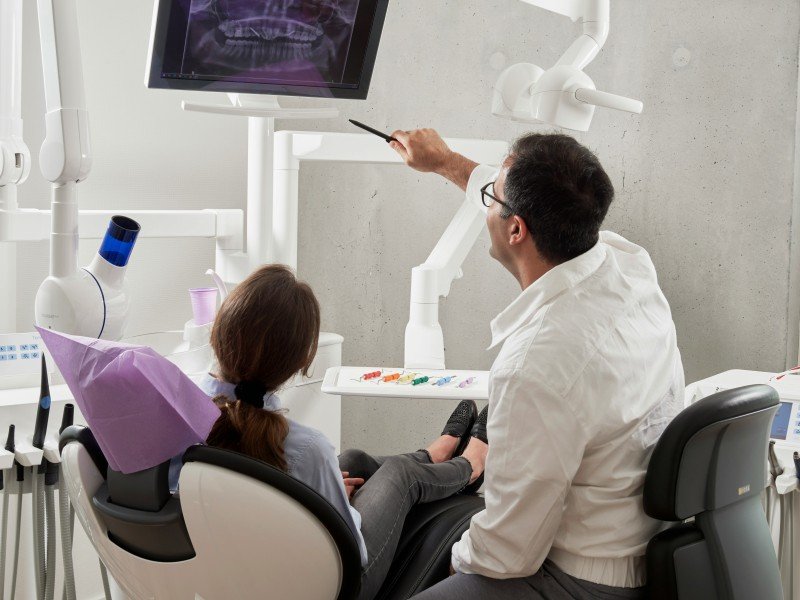
Dental problems rarely arrive at a convenient time. A mild toothache can become distracting, while bleeding gums, sensitivity, bad breath, or a broken tooth can make everyday activities uncomfortable. Fortunately, many oral health problems can be prevented or managed effectively when you seek timely professional care. Understanding the basics of Dental Care in Sector 102 Gurugram can help you protect your teeth, gums, and overall oral health. Whether you need a routine dental checkup or advice about a persistent oral problem, knowing what to expect can make your visit easier. Regular examinations, good oral hygiene, and prompt treatment all play an important role in maintaining a healthy smile.
Dental Care in Sector 102 Gurugram includes preventive checkups, professional teeth cleaning, cavity treatment, gum care, treatment for tooth sensitivity, and other dental services. Regular examinations can help identify problems early, while proper brushing, flossing, a balanced diet, and timely professional advice support long-term oral health.
Why Regular Dental Care Matters
Many dental conditions develop gradually. A small cavity, for example, may not cause noticeable discomfort initially. Similarly, gum disease can begin with mild redness or bleeding and become more serious if ignored.
Regular dental visits allow a dentist to examine your teeth and gums and identify concerns that may not be obvious at home. Depending on your oral health, a dental professional may recommend periodic checkups, professional cleaning, X-rays, fluoride treatment, fillings, or other appropriate care.
Preventive dentistry is especially useful because it focuses on maintaining oral health rather than waiting until pain becomes severe.
Common Dental Problems You Should Not Ignore
Toothache and Dental Sensitivity
Tooth pain can have several possible causes, including tooth decay, cracked teeth, gum problems, exposed tooth roots, or dental infection. Sensitivity to cold, hot, sweet, or acidic foods may also indicate an underlying issue.
Instead of repeatedly using pain relief to manage symptoms, it is better to have persistent or recurring discomfort evaluated by a dentist. Treatment depends on the cause.
Cavities and Tooth Decay
Dental cavities develop when acids produced by oral bacteria damage the tooth surface. Frequent sugary snacks and drinks, inadequate cleaning, and other factors can increase the risk of decay.
Early cavities may require a relatively simple restoration. However, untreated decay can progress deeper into the tooth and potentially cause significant pain or infection.
Bleeding or Swollen Gums
Healthy gums generally should not bleed regularly during brushing or flossing. Bleeding, swelling, tenderness, persistent bad breath, or gums that appear to pull away from the teeth may indicate gum inflammation or periodontal disease.
Good brushing and interdental cleaning are important, but persistent symptoms deserve professional evaluation. Early management can help prevent gum problems from progressing.
Dental Care in Sector 102 Gurugram: What Preventive Care Includes
Good oral health depends on both professional care and daily habits. During a dental checkup, the dentist may assess the condition of your teeth, gums, bite, existing restorations, and overall oral hygiene.
Depending on individual needs, preventive care may include:
- Routine dental examinations
- Professional teeth cleaning and plaque removal
- Cavity detection and fillings
- Gum health assessment
- Fluoride-based preventive care where appropriate
- Dental X-rays when clinically indicated
- Advice about brushing and flossing techniques
- Guidance on diet and habits affecting oral health
Not every patient needs the same treatment. A dentist should recommend procedures based on the individual’s dental examination and risk factors.
How to Protect Your Teeth Between Dental Visits
Professional treatment works best when supported by consistent home care. A few simple habits can make a meaningful difference.
Brush Twice a Day
Brush your teeth twice daily using fluoride toothpaste and a soft-bristled toothbrush. Spend enough time cleaning all tooth surfaces without applying excessive pressure.
Brushing too aggressively does not necessarily clean better. In fact, it may contribute to gum irritation or tooth surface wear.
Clean Between Your Teeth
A toothbrush cannot effectively clean every area between the teeth. Dental floss or other suitable interdental cleaning tools can help remove plaque from these spaces.
If you are unsure which method suits you, ask your dentist or dental hygienist for practical guidance.
Be Mindful of Sugar and Acidic Foods
Frequent exposure to sugary foods and drinks can increase the risk of tooth decay. Acidic beverages and foods can also contribute to enamel erosion.
Rather than focusing only on individual foods, pay attention to how frequently your teeth are exposed to sugar and acids. Drinking water and maintaining balanced eating habits can support oral health.
Do Not Ignore Warning Signs
Some symptoms deserve prompt dental attention, particularly if they persist or worsen. These may include:
- Persistent tooth pain
- Facial or jaw swelling
- Pus around a tooth or gum
- A broken or knocked-out tooth
- Persistent gum bleeding
- Severe sensitivity
- Difficulty opening the mouth
- Difficulty swallowing or breathing
Significant facial swelling or difficulty breathing or swallowing can require urgent medical or dental attention.
When Should You Visit a Dentist?
You do not have to wait for severe pain before scheduling a dental appointment. A routine checkup can help identify early signs of decay, gum disease, enamel wear, or other concerns.
You should consider contacting a dental professional when you experience persistent pain, sensitivity, bleeding gums, swelling, changes in your bite, loose teeth, or an injury affecting your mouth.
If you are looking for Dental Care in Sector 102 Gurugram, consider a clinic where the dentist takes time to understand your symptoms, examines your oral health carefully, explains treatment options, and provides appropriate preventive advice.
Choosing the Right Dental Clinic
Location is convenient, but it should not be the only factor when choosing a dental clinic. Consider whether the clinic offers the services you may need and whether the dentist clearly explains examination findings and treatment options.
It is also useful to ask about:
- The dentist’s qualifications and experience
- Available diagnostic and treatment services
- Infection-control practices
- Appointment availability
- Emergency dental support, if offered
- Follow-up and preventive care
- Clear explanation of treatment costs where applicable
A comfortable consultation can make it easier to discuss symptoms and follow through with recommended care.
Frequently Asked Questions
1. When should I see a dentist for a toothache?
You should arrange a dental evaluation if tooth pain persists, returns frequently, becomes severe, or occurs with swelling, fever, or other concerning symptoms. Toothache can have different causes, so identifying the underlying problem is important. If swelling affects breathing or swallowing, seek urgent medical attention.
2. Is bleeding while brushing a sign of gum disease?
Regular gum bleeding can be a sign of gum inflammation, although other factors may contribute. Improving oral hygiene may help in some cases, but persistent bleeding should be assessed by a dental professional. Early evaluation can help determine whether you need professional cleaning, improved home care, or further periodontal assessment.
3. How often should I get a dental checkup?
The appropriate dental visit schedule depends on your oral health, age, medical history, risk of tooth decay, gum health, and previous dental treatment. Some people may need more frequent monitoring than others. Rather than following a fixed schedule for everyone, discuss an appropriate recall interval with your dentist.
4. What is the best way to prevent cavities?
Brushing twice daily with fluoride toothpaste, cleaning between the teeth, limiting frequent sugary foods and drinks, and attending recommended dental checkups can reduce the risk of cavities. A dentist can also identify individual risk factors and recommend preventive measures based on your oral health.
5. How can I choose a dental clinic in Sector 102 Gurugram?
Look for a conveniently located clinic with qualified dental professionals, appropriate diagnostic facilities, good infection-control practices, transparent communication, and services suited to your needs. During your consultation, pay attention to whether the dentist explains your condition and treatment choices clearly rather than recommending procedures without adequate explanation.
Conclusion
Good oral health involves more than treating a tooth when it starts hurting. Regular examinations, effective brushing and interdental cleaning, sensible dietary habits, and timely professional care can help reduce the risk of common dental problems. Toothache, sensitivity, persistent bad breath, bleeding gums, swelling, and other changes should not be ignored, particularly when they continue or worsen.
If you are considering Dental Care in Sector 102 Gurugram, choose a qualified dental professional who evaluates the underlying issue and explains suitable treatment options clearly. Taking action early can make dental problems easier to manage and help you maintain healthy teeth and gums for the long term. Contact Dr. Prachi Singh Dental Hub to learn more about the dental care options appropriate for your oral health needs.