
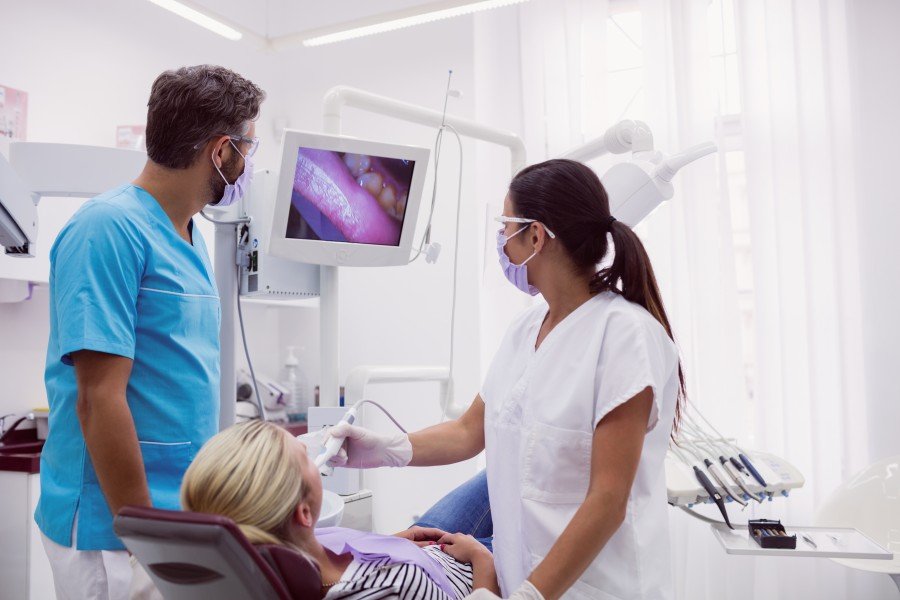
Regular dental checkups are an important part of maintaining good oral health. Many dental problems, including cavities, gum disease, and enamel wear, can develop gradually without causing obvious symptoms at first. Routine examinations allow a dentist to identify potential concerns early and recommend appropriate care. If you are looking for a Dental Hub in Manesar, understanding what makes regular dental visits valuable can help you make a more informed decision about your oral healthcare.
Regular dental checkups help detect cavities, gum problems, enamel damage, and other oral health concerns before they become more serious. A trusted Dental Hub in Manesar can provide routine examinations, professional cleaning, preventive guidance, and treatment recommendations based on your individual dental needs.
Why Are Regular Dental Checkups Important?
Brushing and flossing every day form the foundation of good oral hygiene, but home care cannot always remove every buildup or identify problems beneath the surface.
A professional dental examination gives your dentist an opportunity to assess your teeth, gums, bite, and overall oral health. Depending on your condition, the dentist may also recommend dental X-rays or other diagnostic procedures.
Regular visits can help with:
- Detecting cavities at an early stage
- Identifying signs of gum disease
- Removing hardened plaque and tartar
- Monitoring existing dental restorations
- Checking for enamel wear or tooth damage
- Reviewing your brushing and flossing habits
- Providing personalized preventive advice
Early attention can often make dental treatment simpler and help prevent minor concerns from progressing.
What Happens During a Routine Dental Checkup?
A dental checkup is not necessarily limited to looking for cavities. Your dentist typically considers several aspects of your oral health.
Dental Examination
The dentist examines your teeth and gums for visible signs of decay, inflammation, infection, damage, or other abnormalities. Your dental history and any symptoms you have experienced may also be discussed.
Professional Cleaning
Plaque is a sticky film that develops on teeth. When it hardens into tartar, regular brushing cannot completely remove it. Professional cleaning helps remove these deposits from areas that can be difficult to clean effectively at home.
Preventive Guidance
Your dentist may discuss brushing technique, flossing, diet, sensitivity, fluoride use, or other aspects of oral hygiene. These recommendations can be adjusted according to your individual needs.
X-Rays When Necessary
Dental X-rays are not required at every visit. However, a dentist may recommend them when they are clinically appropriate, such as when checking areas that cannot be fully evaluated during a visual examination.
How Often Should You Visit a Dentist?
There is no single appointment schedule that works for everyone. The appropriate frequency depends on factors such as your oral health, history of cavities or gum disease, age, medications, dental habits, and risk factors.
Some people may benefit from more frequent monitoring, while others may require less frequent routine visits. Your dentist can recommend an appropriate schedule after assessing your individual needs.
Importantly, do not wait for a routine appointment if you develop symptoms such as persistent tooth pain, swelling, bleeding gums, sensitivity that does not improve, a broken tooth, or signs of infection.
Choosing a Trusted Dental Hub in Manesar
Finding a dental clinic is about more than choosing the closest location. You should consider whether the practice provides appropriate care, communicates clearly, and offers treatments that match your needs.
When evaluating a Dental Hub in Manesar, consider these factors:
Qualified dental professionals: Check the dentist’s professional qualifications and experience relevant to the treatment you require.
Comprehensive dental care: A clinic that provides preventive, restorative, and other appropriate dental services can make it easier to manage your oral health in one place.
Clear communication: A good dental consultation should give you an opportunity to understand your condition, available treatment options, expected procedures, and aftercare.
Hygiene and infection control: Clean treatment areas and appropriate sterilization and infection-control practices are essential in any dental setting.
Personalized treatment planning: Dental treatment should be based on an individual’s examination and clinical needs rather than a one-size-fits-all approach.
Preventive Dental Care Starts at Home
Professional checkups work best when combined with consistent daily oral hygiene. A simple routine can make a meaningful difference to your dental health.
Try to:
- Brush your teeth twice a day using fluoride toothpaste.
- Clean between your teeth regularly with floss or another suitable interdental aid.
- Limit frequent consumption of sugary foods and drinks.
- Avoid tobacco products.
- Replace your toothbrush or brush head when it becomes worn.
- Follow your dentist’s recommendations for preventive care.
Children also benefit from developing good oral hygiene habits early. Parents should help younger children brush effectively and arrange dental visits according to professional recommendations.
Don’t Ignore Changes in Your Mouth
One common mistake is assuming that a dental problem will always cause noticeable pain. Some conditions can develop before symptoms become obvious.
For example, early tooth decay or gum disease may not initially produce significant discomfort. This is one reason preventive examinations are valuable.
You should arrange a dental consultation if you notice persistent pain, gum bleeding, facial or jaw swelling, loose teeth, recurring mouth ulcers, unusual sensitivity, or changes in the appearance of your teeth or gums.
Prompt professional evaluation can help determine the cause and whether treatment is necessary.
How a Local Dental Clinic Can Make Preventive Care Easier
Choosing a conveniently located dental practice in Manesar can make it easier to maintain regular appointments. Convenience matters because preventive dental care works best when visits become part of your normal healthcare routine rather than something you postpone until a problem becomes uncomfortable.
A local clinic can also be useful for families who need ongoing dental examinations, cleanings, restorative care, or guidance about maintaining oral health.
When selecting a dental provider, focus on professional qualifications, appropriate clinical care, hygiene standards, communication, and whether the services offered suit your requirements.
Frequently Asked Questions
1. How often should I get a dental checkup?
Most people need regular dental examinations, but the appropriate interval depends on their individual oral health and risk factors. People with recurring cavities, gum disease, certain medical conditions, or other dental concerns may need more frequent monitoring. Your dentist can recommend a schedule after reviewing your dental history and current oral condition.
2. Can a dental checkup detect problems before I have pain?
Yes, a dental examination can identify certain problems before noticeable pain develops. Early cavities, gum inflammation, enamel damage, and other concerns may not always cause obvious symptoms. Depending on the clinical situation, your dentist may also recommend diagnostic imaging to evaluate areas that cannot be fully assessed through a visual examination.
3. What should I look for when choosing a dental clinic in Manesar?
Look for qualified dental professionals, appropriate hygiene and sterilization practices, clear communication, suitable treatment options, and a patient-focused approach. It is also useful to consider the clinic’s location and whether it provides the type of preventive or restorative care you may need. A consultation can help you assess whether the practice is suitable for you.
4. Is professional dental cleaning necessary if I brush every day?
Yes, professional cleaning can still be useful because brushing and flossing may not remove all hardened tartar. A dental professional can assess your gums and teeth and remove deposits that cannot be effectively removed through routine home care. The frequency of professional cleaning should be based on your oral health and your dentist’s recommendations.
5. When should I see a dentist instead of waiting for my next checkup?
You should seek dental advice if you experience persistent toothache, swelling, unexplained bleeding, a broken or loose tooth, significant sensitivity, or other unusual changes in your mouth. Severe swelling, difficulty breathing or swallowing, or other signs of a potentially serious infection require urgent medical or dental attention rather than waiting for a routine appointment.
Regular dental checkups help detect cavities, gum problems, enamel damage, and other oral health concerns before they become more serious. A trusted Dental Hub in Manesar can provide routine examinations, professional cleaning, preventive guidance, and treatment recommendations based on your individual dental needs.
Conclusion
Regular dental care is about more than treating a tooth when it starts hurting. Routine examinations can help identify developing problems, support healthy gums and teeth, and provide an opportunity to improve everyday oral hygiene habits. Choosing the right dental provider is therefore an important part of preventive care.
When searching for a Dental Hub in Manesar, consider professional qualifications, hygiene standards, communication, available services, and whether the clinic takes an individualized approach to treatment. Most importantly, do not ignore persistent pain, swelling, bleeding, sensitivity, or other unusual changes. If you are due for a dental examination, the next sensible step is to arrange a consultation and discuss your oral health needs with Dr. Prachi Singh Dental Hub.