
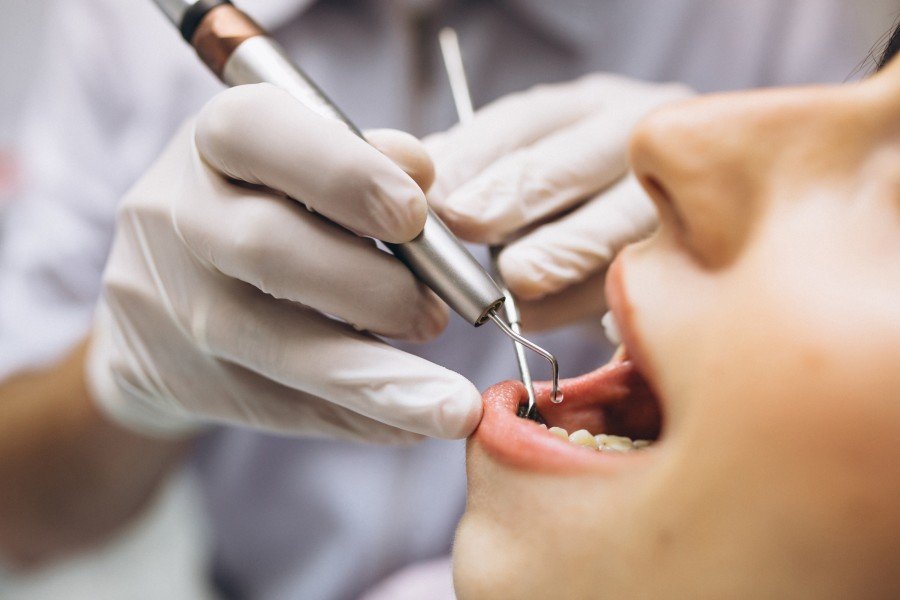
Choosing Dr. Prachi Singh Dental Hub is about more than finding treatment for an immediate toothache. A reliable dental practice should be able to assess the underlying problem, explain suitable treatment options, and support ongoing oral health. A Dentist in Sector 83 Gurugram can help patients manage common concerns ranging from cavities and gum problems to damaged teeth that may require root canal treatment.
Knowing what services are available can also make it easier to understand when professional dental care is needed and what to expect during treatment.
What Does Root Canal Treatment Involve?
Root canal treatment is used when the soft tissue inside a tooth, known as the pulp, becomes inflamed or infected. Deep decay, repeated dental procedures, cracks, or an injury can sometimes affect the pulp.
During treatment, the dentist removes the affected pulp, cleans and disinfects the root canal system, and seals the space. Depending on the amount of tooth structure remaining, a crown may later be recommended to help restore its function and protect the tooth.
When Might a Root Canal Be Recommended?
A dentist may evaluate a tooth for root canal treatment when symptoms or examination findings suggest damage to the pulp. Possible warning signs include:
- Persistent or severe toothache
- Sensitivity to hot or cold that lingers
- Pain while biting or chewing
- Swelling around a tooth
- Tenderness in the gums
- A darkening or discolouration of the tooth
Not every toothache requires a root canal. A proper dental examination, and sometimes dental imaging, is important before deciding on treatment.
Dental Services Available From a Dentist in Sector 83 Gurugram
A dental clinic generally provides more than one type of treatment. Your needs may range from preventive care to restorative or cosmetic procedures.
Dental Checkups and Preventive Care
Regular dental examinations can help identify cavities, gum inflammation, worn fillings, plaque accumulation, and other oral health concerns at an earlier stage.
Professional cleaning may also be advised when plaque or hardened deposits cannot be adequately removed through routine brushing and flossing. Your dentist can recommend an appropriate checkup schedule based on your oral health and risk factors.
Tooth-Coloured Fillings
Dental fillings are commonly used to restore teeth affected by cavities. Tooth-coloured restorative materials can be used to repair suitable areas while maintaining a more natural appearance.
The treatment required depends on the size and location of the cavity and the amount of healthy tooth structure remaining.
Dental Crowns and Bridges
A crown is a restoration that covers a damaged or weakened tooth. It may be considered after root canal treatment or when a tooth has lost significant structure.
Bridges, meanwhile, can replace a missing tooth by using neighbouring teeth or other supporting structures. The dentist will assess the condition of the surrounding teeth and gums before recommending a suitable restoration.
Gum Care and Periodontal Treatment
Healthy gums are an important part of overall oral health. Signs such as bleeding during brushing, persistent bad breath, swollen gums, or gum recession should not simply be ignored.
Depending on the condition, treatment may include professional cleaning, improved home-care practices, or more specialised periodontal management. Early assessment can help determine the appropriate approach.
Tooth Extraction
A dentist may recommend extraction when a tooth cannot be predictably restored or when removal is necessary for another dental reason. Examples can include severely damaged teeth or certain problematic wisdom teeth.
Before extraction, the dentist should explain why removal is being considered and discuss relevant treatment or replacement options where appropriate.
Cosmetic and Smile-Enhancement Procedures
Some patients seek dental care because they are concerned about the appearance of their teeth. Depending on individual needs, a dental practice may offer treatments such as teeth whitening, veneers, or other cosmetic procedures.
Cosmetic treatment should begin with an assessment of oral health. Existing cavities, gum disease, or other dental problems may need attention before elective cosmetic procedures.
How to Know Which Dental Treatment You Need
It is not always possible to determine the right treatment from symptoms alone. For example, tooth sensitivity may have several possible causes, while pain can sometimes originate from decay, a cracked tooth, gum problems, or other conditions.
A dental evaluation may include:
- A discussion of your symptoms and dental history
- Examination of the teeth and gums
- Dental X-rays or other imaging when clinically appropriate
- Assessment of the affected tooth and surrounding structures
- Discussion of available treatment options
This approach helps the dentist identify the underlying issue rather than simply addressing the symptom.
What to Look for When Choosing a Dental Clinic
If you are searching for dental care around Sector 83 and nearby Gurugram areas, consider practical factors before making an appointment.
Look for a clinic where the dentist:
- Clearly explains the diagnosis and treatment options
- Answers questions about benefits, risks, and alternatives
- Follows appropriate infection-control practices
- Takes a detailed dental history
- Uses diagnostic tests when clinically necessary
- Provides clear aftercare instructions
- Discusses costs and treatment stages transparently
It is also useful to share information about existing medical conditions, medications, allergies, and previous dental procedures because these details can be relevant to treatment planning.
When Should You See a Dentist?
You do not necessarily need to wait for severe pain before arranging a dental examination. Persistent sensitivity, bleeding gums, a broken tooth, recurring discomfort, swelling, or changes in a tooth’s appearance can all warrant professional evaluation.
Urgent dental attention may be particularly important when swelling is accompanied by fever, difficulty swallowing, difficulty breathing, or rapidly worsening symptoms. Such symptoms can indicate an infection requiring prompt medical or dental care.
For patients looking for a Dentist in Sector 83 Gurugram, choosing a clinic that provides assessment, preventive care, restorative treatment, and appropriate follow-up can make dental care more coordinated and easier to manage.
Frequently Asked Questions
1. When should I consider root canal treatment?
Root canal treatment may be considered when the pulp inside a tooth is inflamed or infected and the tooth can potentially be preserved. Persistent pain, lingering temperature sensitivity, pain while chewing, swelling, or changes in tooth colour can be warning signs. However, these symptoms can have different causes, so a dentist needs to examine the tooth before recommending treatment.
2. Is root canal treatment painful?
Root canal treatment is performed using local anaesthesia to numb the affected area. Some tenderness or discomfort can occur after treatment, but it is generally manageable with the aftercare recommended by the dentist. The level of discomfort can vary depending on the condition of the tooth and the individual patient.
3. What other treatments can a dental clinic provide?
Depending on the clinic and the patient’s needs, dental services may include examinations, professional cleaning, fillings, root canal treatment, crowns, bridges, extractions, gum care, and selected cosmetic procedures. The appropriate treatment depends on the patient’s oral condition, so a dental examination should guide the treatment plan.
4. How often should I visit a dentist?
There is no single appointment schedule that suits every person. Your dentist can recommend an interval based on your oral health, history of cavities or gum disease, risk factors, and ongoing treatments. Regular examinations can help identify dental problems before they become more complicated.
5. How do I choose a dentist near Sector 83 Gurugram?
Consider the dentist’s qualifications, range of services, approach to diagnosis, communication, infection-control practices, and accessibility. It is also helpful to choose a clinic where treatment options and expected follow-up are explained clearly. For ongoing dental care, convenient location and continuity of care can also be useful.
Conclusion
Good dental care is not limited to treating pain when it becomes difficult to ignore. Routine examinations, preventive care, timely fillings, gum treatment, restorative procedures, and root canal therapy can all play a role in maintaining oral health when clinically appropriate. If you have persistent tooth pain, sensitivity, swelling, bleeding gums, or a damaged tooth, professional evaluation can help identify the underlying problem and suitable treatment options. A Dentist in Sector 83 Gurugram can assess your individual needs and explain the next steps clearly. Rather than delaying care or relying on self-diagnosis, consider arranging a dental examination so that any concerns can be evaluated and managed appropriately.