
Missing teeth can affect more than your smile. They may make chewing uncomfortable, influence speech, and reduce confidence in social situations. Dental implants offer one option for replacing missing teeth, but choosing the right clinic is an important part of the process. If you are searching for a Dental Implant Clinic Sector 102 Gurugram, understanding the dentist’s qualifications, treatment planning, hygiene standards, and aftercare can help you make a well-informed decision.
A good Dental Implant Clinic Sector 102 Gurugram should offer qualified dental professionals, thorough oral examinations, appropriate diagnostic imaging, clear treatment estimates, safe surgical practices, and reliable follow-up care. Before choosing a clinic, discuss your suitability for implants, possible risks, alternative treatments, expected healing time, and the complete cost of your personalized treatment plan. The right approach begins with a thorough dental assessment rather than a promise of quick results. Every patient has different oral health needs, so your treatment plan should reflect your condition, medical history, and long-term goals.
What Should You Look for in a Dental Implant Clinic in Sector 102 Gurugram?
A suitable clinic should combine professional expertise, careful diagnosis, transparent communication, and appropriate follow-up care. Before committing to treatment, consider these important factors.
1. Check the Dentist’s Qualifications and Implant Experience
Dental implant placement requires detailed knowledge of oral anatomy, jawbone structure, gum health, and surgical techniques. Ask about the treating dentist’s qualifications, relevant training, and experience managing cases similar to yours.
It is also reasonable to ask who will perform the surgical procedure, who will design the replacement tooth, and how the clinic handles complications if they arise. Clear answers can help you understand the level of care you can expect.
2. Look for Thorough Diagnosis and Treatment Planning
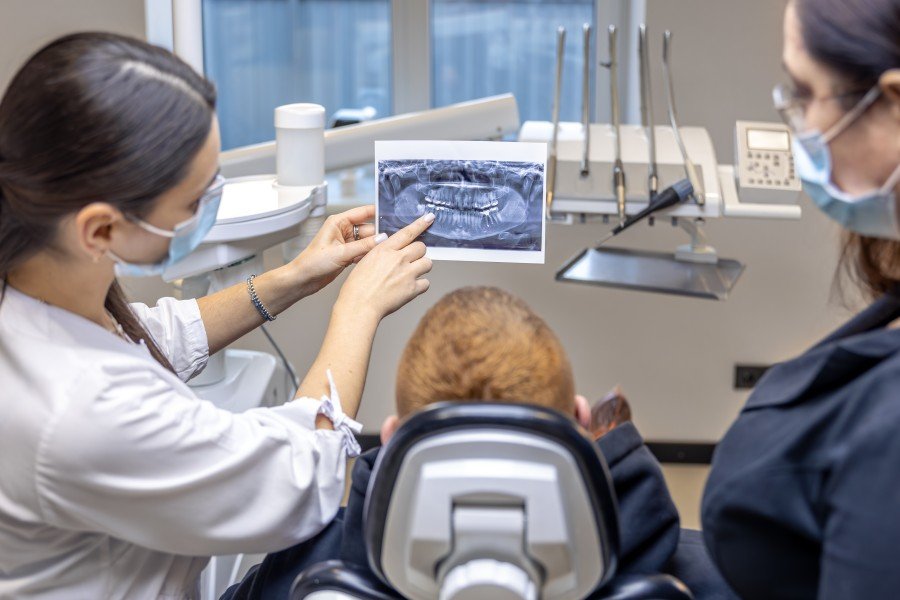
A reliable implant consultation should include an examination of your teeth, gums, bite, and available jawbone. The dentist may recommend dental X-rays or a three-dimensional scan when clinically necessary.
This assessment helps determine implant placement, identify possible risks, and establish whether additional procedures are needed. Be cautious if a clinic recommends surgery without reviewing your oral health or explaining the proposed treatment.
3. Evaluate Hygiene and Patient Safety
Implant procedures involve surgery, so infection prevention and appropriate sterilization practices matter. Observe whether the clinic maintains clean treatment areas and follows suitable instrument sterilization and infection-control protocols.
The dentist should also review your medical history, current medicines, allergies, and relevant health conditions before treatment. These details can affect healing and help the clinical team plan care more safely.
Understanding Dental Implants and Who May Need Them
A dental implant is a small post, commonly made of titanium or another suitable biocompatible material, that is placed in the jawbone to support a replacement tooth. After healing and integration with the bone, it can support a crown, bridge, or denture, depending on the treatment plan.
Implants may be considered for people who have lost one tooth, several teeth, or all their teeth. However, they are not automatically suitable for everyone.
Your dentist will assess factors such as:
- The quantity and quality of your jawbone.
- The health of your gums and remaining teeth.
- Your medical history and medicines.
- Smoking or tobacco use, which can affect healing.
- Your ability to maintain good oral hygiene and attend follow-up appointments.
Some patients may need gum treatment, management of existing dental infections, or bone grafting before implant placement. These decisions depend on the individual examination.
How Much Do Dental Implants Cost in Sector 102 Gurugram?
The cost of dental implants varies according to the complexity of treatment, the implant system used, the type of replacement tooth, and the clinic’s fees. A single implant with a crown generally involves different costs from a multiple-tooth or full-arch restoration.
Before agreeing to treatment, request a written estimate that clarifies:
- The implant fixture and surgical procedure charges.
- The cost of the crown, bridge, or denture.
- Imaging and consultation fees.
- Any additional procedures, such as bone grafting.
- Follow-up visits and any applicable maintenance costs.
Ask whether the quotation covers every planned stage or only the initial surgery. Comparing complete treatment plans is more useful than choosing a clinic based solely on the lowest advertised price.
What Is the Dental Implant Treatment Process?
Knowing the usual stages can help you prepare and ask better questions during your consultation.
Initial Consultation
The dentist examines your mouth, reviews your medical history, and discusses your expectations. Diagnostic imaging may be advised to evaluate bone anatomy and plan the procedure.
Implant Placement
If you are suitable for treatment, the implant is placed in the jawbone using an appropriate surgical technique, usually with local anaesthesia. The exact procedure depends on the number and position of implants and your individual needs.
Healing and Bone Integration
The implant needs time to integrate with the surrounding bone. This process is known as osseointegration. Healing time varies, and some patients require additional procedures or a longer waiting period before the final restoration.
Placement of the Replacement Tooth
Once the dentist confirms that the implant is ready, a custom-made crown, bridge, or denture is attached. The dentist checks its fit, appearance, and bite.
Not every patient follows an identical timeline. Your dentist should explain the expected stages and any temporary tooth replacement options available during healing.
Why Follow-Up Care Matters After Implant Surgery
Dental implants require ongoing care even after the replacement tooth is fitted. Poor oral hygiene can contribute to inflammation around an implant and, in some cases, damage to the supporting tissues.
To protect your investment in oral health:
- Brush twice daily with a soft-bristled toothbrush.
- Clean between teeth and around the implant using suitable tools recommended by your dentist.
- Attend regular dental reviews and professional cleaning appointments.
- Avoid smoking and seek advice if you use tobacco.
- Contact your dentist if you notice persistent pain, swelling, bleeding, discharge, or implant movement.
Following the aftercare instructions and attending scheduled reviews help your dentist monitor healing and identify potential problems early.
Questions to Ask Before Choosing an Implant Dentist
Before selecting a clinic, prepare a few practical questions:
- Am I a suitable candidate for dental implants?
- What treatment options are available for my missing teeth?
- What are the potential risks and alternatives?
- What will the complete treatment cost?
- How long might treatment and healing take?
- What follow-up care will I need?
- Who should I contact if I experience a problem after surgery?
A good consultation should give you time to understand the answers without feeling pressured to make an immediate decision.
The most appropriate clinic is one that explains your options honestly, discusses limitations, and creates a treatment plan around your individual needs.
Frequently Asked Questions
1. Who is a suitable candidate for dental implants?
Adults with one or more missing teeth may be suitable for dental implants if their oral health and jawbone condition support treatment. A dentist will assess gum health, bone volume, medical history, and healing risks. Some patients may need preliminary treatment or bone grafting before implant placement.
2. How long does dental implant treatment take?
Dental implant treatment may take several months from initial assessment to the final tooth because the implant needs time to integrate with the jawbone. The timeline depends on bone quality, healing, implant location, and whether additional procedures are required. Your dentist can provide an estimated schedule after examining you.
3. Are dental implants better than bridges or dentures?
Dental implants, bridges, and dentures each have advantages and limitations. Implants can replace teeth without relying on neighbouring teeth for support, while conventional bridges may require preparation of adjacent teeth. Dentures are removable and may suit different clinical or financial needs. Your dentist can help compare the options for your situation.
4. What is the cost of dental implants in Gurugram?
Dental implant costs in Gurugram vary according to the implant system, replacement tooth, number of missing teeth, and any additional procedures. Request an itemized estimate covering consultation, imaging, surgery, restoration, and follow-up care. Comparing complete treatment plans helps you understand the value and likely total expense.
5. How do I choose a reliable dental implant clinic in Sector 102 Gurugram?
Look for a clinic with appropriately qualified dental professionals, clear treatment planning, good hygiene practices, transparent fees, and accessible follow-up care. Ask who will perform the procedure and how complications are managed. Review the proposed treatment and alternatives before deciding, and avoid relying on promotional claims or low prices alone.
Conclusion
Choosing the right Dental Implant Clinic Sector 102 Gurugram involves more than comparing prices or looking at before-and-after photographs. Patients should consider the dentist’s qualifications, the quality of the initial assessment, hygiene standards, transparent treatment estimates, and availability of follow-up care. Understanding the procedure, healing timeline, possible risks, and alternative tooth replacement options can also make the decision easier. If you are considering dental implants, arrange a consultation with Dr. Prachi Singh Dental Hub to discuss your oral health and treatment goals. Ask questions, review your personalized plan, and make sure you understand the expected costs and aftercare before proceeding. An informed decision is an important step towards restoring comfortable chewing and a confident smile.