
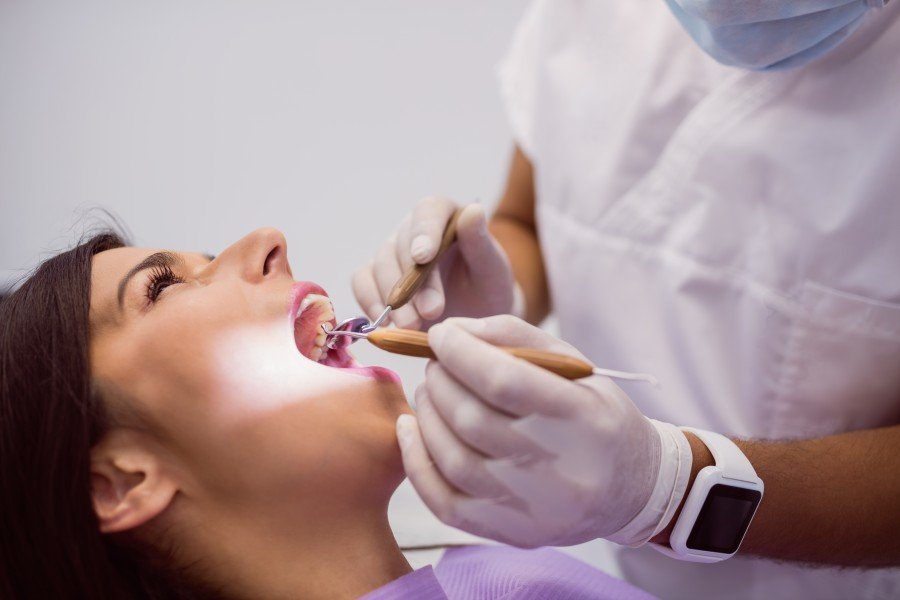
Visiting Dr. Prachi Singh Dental Hub for the first time can feel uncertain, especially if you have not had a dental checkup recently. Knowing what happens during the appointment can make the experience more comfortable and help you prepare the right questions. A Dentist in Sector 104 Gurugram may begin by understanding your concerns, reviewing your dental and medical history, examining your teeth and gums, and recommending further evaluation if needed.
Whether you are experiencing tooth pain, sensitivity, bleeding gums, or simply want a routine checkup, a first dental visit is primarily about understanding your current oral health and planning appropriate care.
During your first visit to a Dentist in Sector 104 Gurugram, you can generally expect a discussion about your dental concerns and medical history, followed by an examination of your teeth, gums, bite, and overall oral health. Depending on your symptoms and findings, the dentist may recommend dental X-rays, cleaning, preventive advice, or further treatment.
What Happens During the First Dental Appointment?
A first dental visit usually involves several straightforward steps. The exact process can vary depending on your age, symptoms, dental history, and the reason for your appointment.
1. Discussion About Your Dental Concerns
The appointment often starts with a conversation. Tell the dentist why you scheduled the visit and mention any symptoms you have noticed.
For example, you may want to discuss:
- Toothache or occasional dental pain
- Sensitivity to hot, cold, or sweet foods
- Bleeding or swollen gums
- Bad breath that does not improve
- Broken, chipped, or loose teeth
- Difficulty chewing
- Concerns about tooth appearance
Even symptoms that seem minor can provide useful information during the examination.
2. Review of Medical and Dental History
Your dentist may ask about previous dental treatments, medications, allergies, medical conditions, and relevant lifestyle factors. This information can help the dental team plan care safely.
You should also mention previous procedures such as root canal treatment, tooth extraction, braces, dental implants, or other oral procedures if applicable.
If you take regular medication or have recently undergone a major medical procedure, provide accurate information before treatment begins.
Dental Examination: What Does the Dentist Check?
The dentist will examine your mouth to look for visible signs of common oral health problems. This may include checking the teeth, gums, tongue, bite, and other areas of the mouth.
The examination may look for:
- Tooth decay or cavities
- Plaque and tartar buildup
- Gum inflammation or signs of periodontal disease
- Damaged or worn teeth
- Existing fillings, crowns, or other restorations
- Bite-related concerns
- Signs that require additional investigation
A dental examination does not necessarily mean you will need treatment on the same day. The dentist can explain the findings and discuss appropriate next steps.
Are Dental X-Rays Needed During the First Visit?
Not every patient requires an X-ray at every appointment. Dental radiographs may be recommended when they can provide information that cannot be obtained through a visual examination alone.
Depending on your symptoms and dental history, an X-ray may help the dentist evaluate areas such as hidden tooth decay, the roots of teeth, bone levels, impacted teeth, or other concerns.
The type and frequency of dental imaging should be based on individual clinical needs. If an X-ray is recommended, ask what it is intended to assess and how the result may affect your treatment plan.
Will You Get a Dental Cleaning During the First Visit?
A cleaning may be recommended if plaque or hardened tartar has accumulated around your teeth. Professional cleaning can remove deposits that cannot always be eliminated effectively with normal brushing and flossing.
However, cleaning is not automatically the main purpose of every first appointment. If you have significant pain, swelling, suspected infection, or another urgent concern, the dentist may focus first on identifying the underlying problem.
Your dentist can explain whether a routine cleaning, periodontal care, or another form of treatment is appropriate.
Questions You Should Ask Your Dentist
Your first appointment is also an opportunity to understand your oral health better. Do not hesitate to ask questions if something is unclear.
Useful questions include:
- What did you find during my examination?
- Do I have any signs of tooth decay or gum problems?
- Do I need an X-ray?
- Do I need professional cleaning?
- What can I do to improve my oral hygiene?
- Are any existing dental fillings or restorations showing problems?
- When should I return for my next checkup?
A clear conversation can help you understand your options without feeling pressured to make an immediate decision.
How Should You Prepare for Your First Dental Visit?
You generally do not need extensive preparation for a routine dental examination. However, a few simple steps can make the appointment more productive.
Before visiting a dental clinic, consider:
- Making a list of your symptoms and when they started.
- Carrying details of your current medications and allergies.
- Bringing previous dental records or X-rays if available.
- Informing the dentist about relevant medical conditions.
- Writing down questions you want to discuss.
- Maintaining your usual oral hygiene routine before the appointment.
If you are experiencing severe pain, swelling, bleeding, trauma, or another urgent symptom, mention it when scheduling the appointment.
What Happens After the Examination?
After examining your mouth, the dentist should explain the findings in understandable terms. If treatment is required, you may be given different options depending on the condition.
For example, treatment could involve preventive care, a filling, gum treatment, root canal therapy, restoration, extraction, orthodontic evaluation, or referral to another dental specialist.
The appropriate option depends on the individual diagnosis. Ask about the purpose of the recommended treatment, expected steps, alternatives where applicable, and follow-up requirements.
When Should You Schedule a Dental Visit?
You do not always need to wait until a tooth hurts before seeing a dentist. Regular dental care can help identify problems that may not cause noticeable symptoms in their early stages.
You should consider arranging an appointment if you notice persistent tooth sensitivity, gum bleeding, swelling, pain, a damaged tooth, changes in your bite, or other unusual symptoms.
If you have a dental emergency, such as significant facial swelling, uncontrolled bleeding, or a serious dental injury, seek prompt professional assessment.
Frequently Asked Questions
What should I bring to my first dental appointment?
Bring information about your medications, allergies, relevant medical conditions, and previous dental treatments. If you have earlier dental X-rays or records, take them along if they are available. It is also useful to write down your symptoms and questions beforehand so you can discuss them clearly during the appointment.
How long does a first dental checkup usually take?
The duration varies depending on the reason for your visit and whether additional examinations or imaging are required. A straightforward consultation may be relatively brief, while appointments involving detailed assessment, X-rays, or urgent dental concerns can take longer. The clinic can provide a more specific estimate when you schedule your visit.
Should I visit a dentist even if I have no tooth pain?
Yes. The absence of pain does not necessarily mean that your teeth and gums have no problems. Routine dental examinations can help identify issues such as early decay or gum inflammation that may not initially cause noticeable symptoms. Your dentist can also provide personalized advice about prevention and oral hygiene.
What if I am nervous about visiting a dentist?
Tell the dental team that you feel anxious before the examination begins. Discussing your concerns can help the dentist explain each step before proceeding. You can also ask questions about unfamiliar procedures. Clear communication allows the dental team to understand your concerns and make the appointment more comfortable.
How do I choose a dental clinic in Sector 104 Gurugram?
Look for a dental clinic where the dentist clearly explains examination findings, treatment options, expected procedures, and follow-up care. Consider the clinic’s location, available services, professional credentials, hygiene practices, and whether the dental team answers your questions clearly. For ongoing care, choosing a clinic that can address your family’s changing dental needs can also be useful.
Conclusion
Your first dental appointment does not have to be complicated. It is an opportunity to discuss your concerns, understand your oral health, and receive appropriate guidance based on a professional examination. A Dentist in Sector 104 Gurugram can assess your teeth and gums, recommend diagnostic tests when clinically appropriate, and explain preventive or treatment options based on your individual needs.
Before your visit, make a note of your symptoms, medications, previous dental treatment, and questions. Most importantly, do not ignore persistent pain, swelling, bleeding, or other changes in your mouth. Scheduling an assessment early can help you understand what is happening and decide on the next appropriate step with your dental professional.